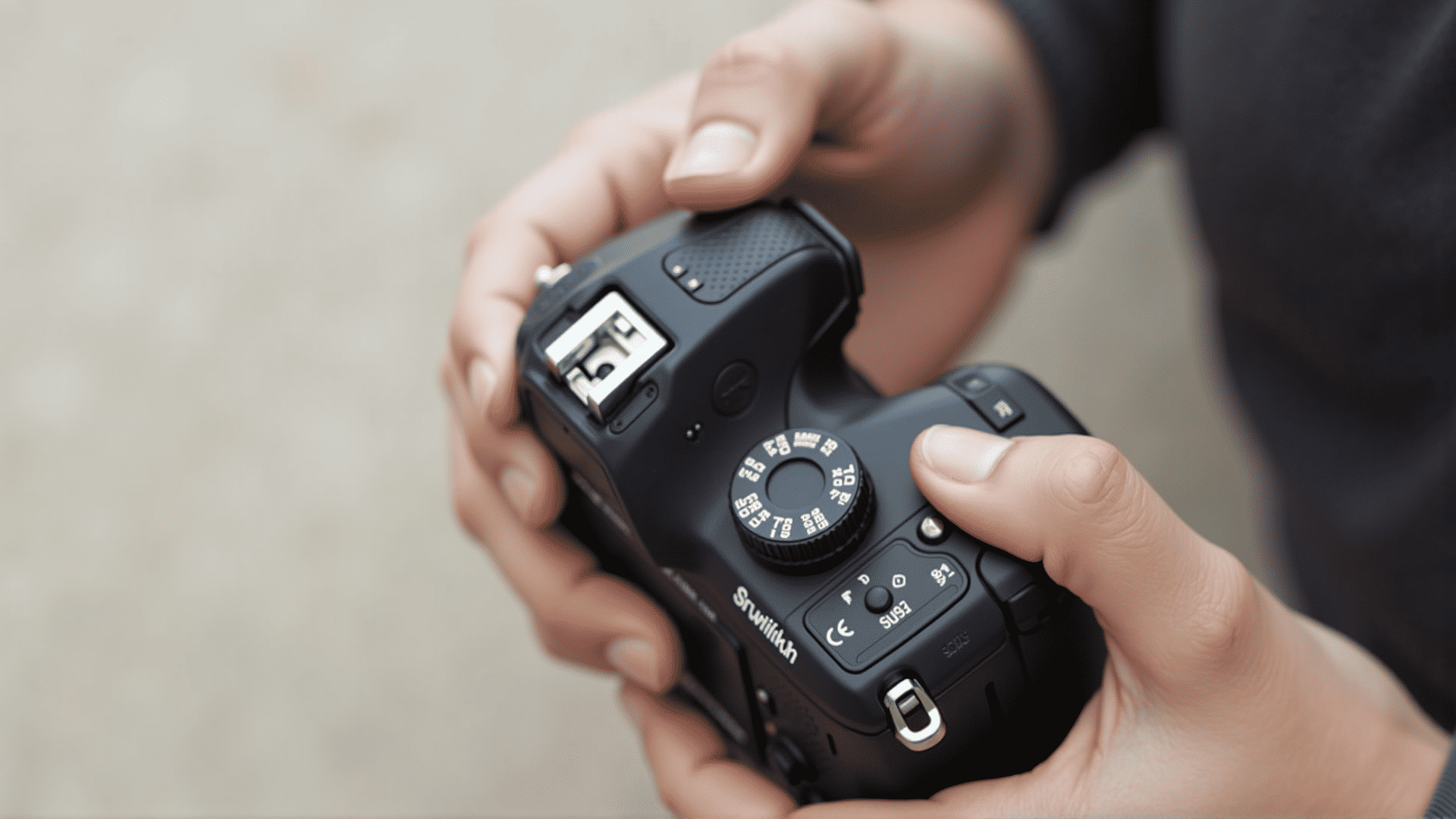
Understanding the essentials of your camera is crucial for capturing beautiful images and improving your photography skills. Whether you are an aspiring photographer or just want to take better pictures, mastering the fundamentals can significantly enhance your abilities.
1. Know Your Equipment
The first step in taking great photos is understanding your camera's capabilities. Familiarize yourself with its different modes and settings. Most cameras have automatic settings, but learning to use manual settings can offer greater creative control. Explore the functions of basic components such as the aperture, shutter speed, and ISO.
2. Aperture: The Gateway of Light
The aperture is a component in the lens that controls the amount of light entering the camera. It is represented by f-numbers (e.g., f/2.8, f/5.6), which indicate the size of the lens opening. A lower f-number means a larger opening, allowing more light to hit the sensor, which is great for low-light conditions and creating a shallow depth of field with a blurry background.
3. Shutter Speed: Capturing Motion
Shutter speed is the amount of time the camera's shutter is open, allowing light to hit the sensor. A fast shutter speed (e.g., 1/1000 sec) is ideal for freezing fast-moving subjects, whereas a slow shutter speed (e.g., 1/30 sec) can create a motion blur effect, useful for depicting motion in your photos. Keep in mind that slower shutter speeds might require a tripod to avoid camera shake.
4. ISO: Sensitivity to Light
ISO determines the camera's sensitivity to light. A low ISO (e.g., 100 or 200) is perfect for bright environments, providing a cleaner image with less noise. In low-light conditions, a high ISO (e.g., 1600 or 3200) is beneficial, but it can introduce more grain or noise into your images.
5. Composition: The Art of Arranging Elements
Understanding composition is vital for creating visually appealing photographs. Simple guidelines such as the rule of thirds, where the frame is divided into nine equal parts, can help position your subject in a more balanced and engaging way. Remember to consider lines, shapes, colors, and textures while composing your shots.
6. Lighting: Making or Breaking a Photo
Lighting is one of the most critical aspects of photography. The quality, direction, and color of the light can dramatically affect the mood and appearance of your images. Experimenting with natural light during different times of the day or using artificial lighting sources can help you achieve the desired effect.
7. Practice and Patience
Improving your photography skills takes time and practice. Take your camera everywhere and shoot as much as possible. Review your work regularly to understand what worked and what didn’t. Be patient with yourself, and don’t be afraid to learn from mistakes.
By understanding and mastering these basics, you can unlock your camera’s full potential and create captivating images. So, grab your camera, experiment, and embrace the journey of becoming a better photographer.