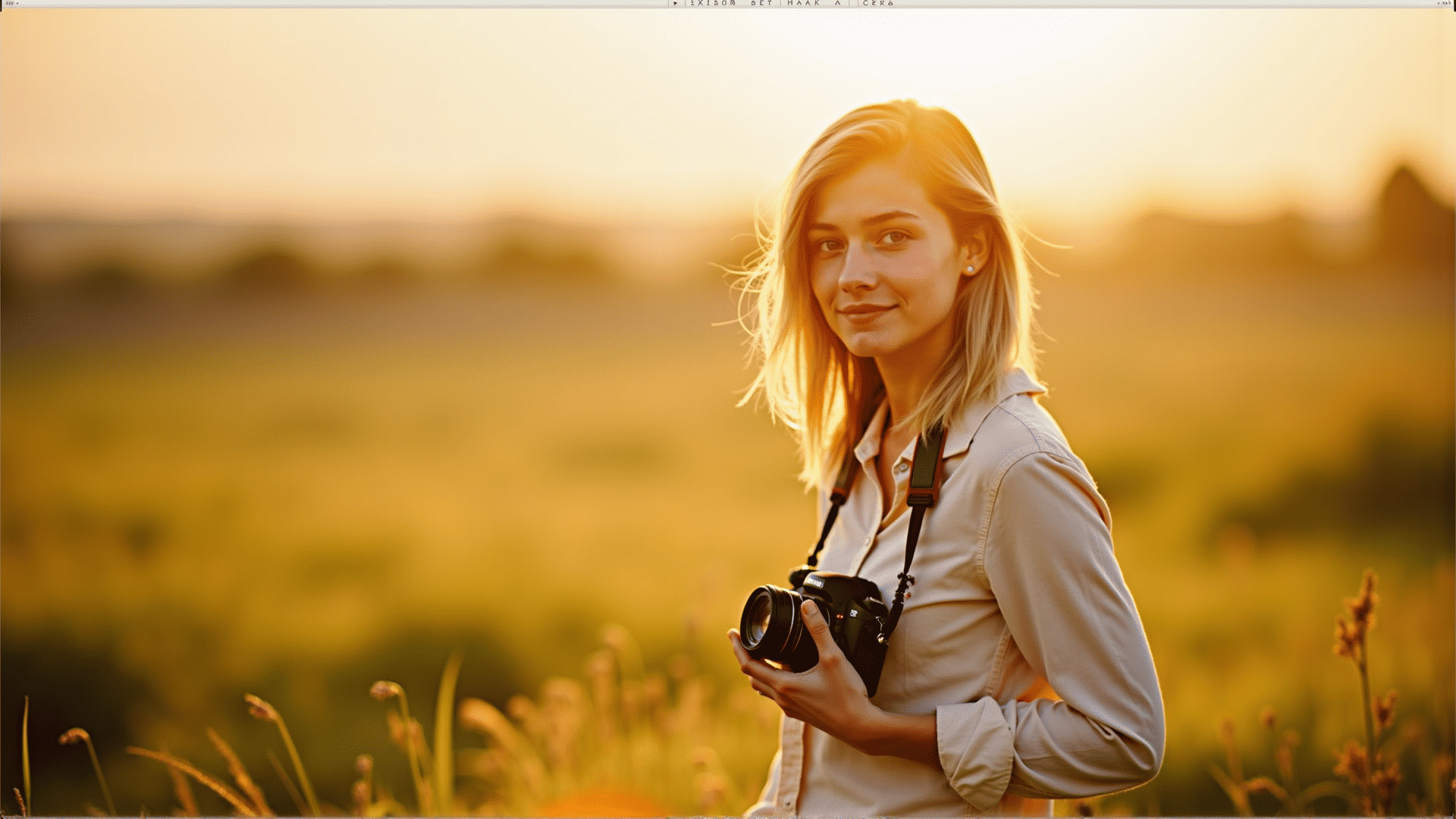
When delving into the world of photography, understanding and mastering the art of lighting is essential. Proper lighting techniques can transform an ordinary photograph into a captivating piece of art. Whether you’re shooting in a controlled studio environment or out in the natural world, the way you handle light can dramatically change the mood and composition of your images. Here are some versatile lighting techniques to help you add depth and dimension to your photographs.
Natural Light
Leveraging natural light is one of the simplest yet most powerful techniques. The golden hours—shortly after sunrise and before sunset—provide soft, warm illumination that flatters portraits and landscapes alike. During these times, the sunlight is diffused, resulting in fewer harsh shadows and more balanced contrast. When using natural light, consider the direction of the light source; side lighting, for instance, can add texture and form to your subject.
Diffused Light
Diffusion is a technique that softens the harshness of a light source. By using materials like softboxes, umbrellas, or even sheer curtains, photographers can scatter light over a broader area, reducing shadows and creating a gentle transition between light and dark areas. Diffused light is particularly effective in portrait photography, where it can highlight the subject’s features without causing unflattering shadows.
Backlighting
Backlighting involves positioning the light source behind the subject. This technique can produce stunning silhouette effects, where the subject appears dark against a brightly lit background. It’s also effective for creating a halo or rim light around the subject, adding an ethereal and dramatic quality to the image. To make the most of backlighting, ensure that your exposure is set correctly to capture the desired effect.
Rim Lighting
Similar to backlighting, rim lighting creates a glowing outline around the subject. Instead of solely backlighting your subject, rim lighting involves precise placement of lights to highlight edges and contours selectively. This technique is particularly useful for separating the subject from the background and adding a three-dimensional effect to portraits, enhancing their overall impact.
Low Key and High Key Lighting
Low key lighting emphasizes shadows and contrast. By using a single light source or carefully positioned lights, photographers can create moody and dramatic images, often with a lot of negative space. In contrast, high key lighting involves the use of bright lights and minimal shadows, resulting in images that convey positivity and clarity. Both styles require careful control of the lighting ratio to achieve the desired emotional tone.
Reflective Techniques
Reflectors are invaluable tools in photography for redirecting light onto a subject. They come in various colors and surfaces—white for soft light, silver for a more focused bounce, gold for a warm glow, and black for absorbing light to increase contrast. By using reflectors strategically, photographers can fill in shadows and fine-tune the lighting setup to suit the scene’s requirements.
Artificial Light and Flash
While natural light is ideal, there are situations where artificial lighting is necessary. The use of flash can dramatically enhance low-light environments or freeze motion. When using flash, consider diffusing it to avoid harsh spots and use off-camera flash to creatively control the direction and quality of light.
Conclusion
Mastering these lighting techniques allows photographers to create images that captivate and engage viewers. Whether employing natural or artificial light, the key lies in experimenting and practicing to understand how light interacts with the environment and the subject. With time and experience, any photographer can harness the power of light to enrich their photographic storytelling.